Building a Safe Campfire in Windy Conditions
Building a campfire in windy conditions requires a heightened awareness of safety and a deliberate approach to site selection, wind management, and fire control. Wind can carry embers, cause sudden flare-ups, and make a fire difficult to contain, so understanding how to adapt your methods is essential. This article outlines key considerations and techniques for managing a campfire when gusts are strong, with an emphasis on preparation and contingency planning.
While the prospect of a campfire in windy weather may seem daunting, it is manageable with the right knowledge and precautions. The focus should be on minimizing risks through thoughtful placement, creating effective windbreaks, and maintaining constant vigilance. By following established safety practices, you can enjoy a campfire while reducing the likelihood of accidents.
It is important to note that conditions can vary widely, and what works in one situation may not be suitable in another. Always assess the specific environment and be prepared to adjust your plans. The information provided here is for educational purposes and should be adapted to your circumstances.
Understanding Wind Behavior and Its Impact on Campfires
Wind behavior is rarely constant; it can shift direction, increase in intensity, and create unpredictable gusts. Understanding these patterns is the first step in planning a safe campfire. Wind can carry sparks and embers well beyond the immediate fire area, potentially igniting dry vegetation. It can also cause flames to spread rapidly, making containment challenging. Additionally, wind can affect the efficiency of your fire, causing it to burn hotter and faster, which may lead to structural collapse of the fire arrangement.
Observing the wind before and during your campfire is crucial. Look for signs such as moving tree branches, swaying grasses, or the direction of smoke. If the wind is strong enough to move lightweight objects or cause noticeable discomfort, it may be advisable to postpone or relocate the fire. Local weather forecasts can provide general guidance, but on-site observation is more reliable for immediate conditions. Remember that wind can change quickly, so continuous monitoring is necessary.
In windy conditions, the risk of spot fires—small fires started by flying embers—increases. This underscores the importance of clearing a wide area around the fire pit and having a method to extinguish any stray sparks. Understanding the interplay between wind, fuel, and fire behavior helps in making informed decisions about whether to proceed.
Selecting a Safe Site for a Windy-Day Campfire
Site selection is perhaps the most critical factor in building a safe campfire under windy conditions. Choose a location that is naturally sheltered from the wind, such as behind a large rock, a hillside, or a dense cluster of trees. However, avoid placing the fire directly under overhanging branches or near flammable materials. The site should be on a level surface, preferably bare dirt or gravel, and at least 10 feet away from any tents, shrubs, or other combustible items. If a designated fire ring exists, use it, as it is designed to contain the fire.
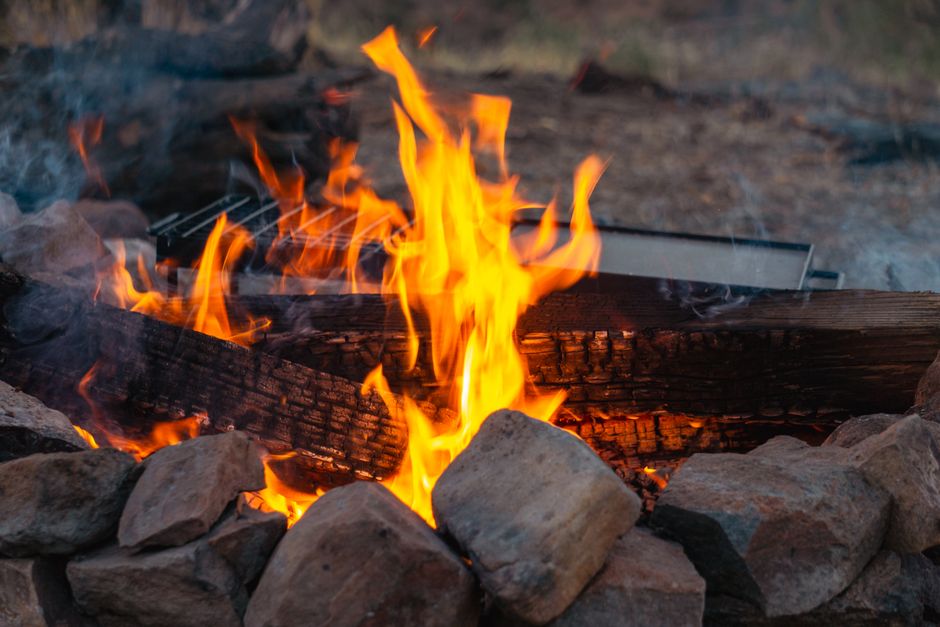
In the absence of a designated fire ring, construct a fire pit by clearing a circle of at least 3 feet in diameter down to mineral soil. Encircle the pit with rocks to provide a physical barrier, but avoid using rocks from rivers or streams, as they can crack or explode when heated. The key is to create a zone that is free of any burnable materials. Consider the direction of the wind when positioning the fire; placing it on the downwind side of your shelter can reduce wind exposure, but ensure that smoke does not become a nuisance or health hazard.
Alternatively, you might opt for a elevated fire pit or a portable fire container that offers better wind protection and containment. These options can be particularly useful in areas where open fires are restricted or where the terrain is uneven. Regardless of the method, the goal is to minimize the chance of the fire spreading beyond its intended area.
Building Effective Windbreaks
Windbreaks are structures or natural features that reduce wind speed and deflect gusts away from the fire. When building a campfire in windy conditions, a well-constructed windbreak can make the difference between a controlled fire and a hazardous one. Natural windbreaks include rock formations, earthen berms, or dense vegetation, but these must be positioned at a safe distance to avoid catching fire. If natural shelter is insufficient, you can create a temporary windbreak using materials such as a tarp, a pile of dirt, or a wall of logs. However, any artificial windbreak must be secured and placed far enough away that it cannot ignite.
When constructing a windbreak, aim to block the prevailing wind while allowing some airflow to prevent the fire from becoming starved of oxygen. A solid wall directly against the wind can create turbulent eddies that may actually increase fire intensity. Instead, consider a porous barrier or a angled screen that diffuses the wind. A common approach is to use a semicircular wall of rocks or logs on the windward side of the fire, leaving the leeward side open. This design allows you to tend the fire from the sheltered side while protecting it from gusts.
It is also important to monitor the windbreak’s effectiveness throughout the fire’s duration. If the wind shifts, you may need to adjust or add to the windbreak. Never place flammable materials close to the fire, and ensure that the windbreak itself does not become a fire hazard. Regularly check for any embers that may have lodged in the windbreak and extinguish them promptly.
Fire Control Methods and Continuous Monitoring
Once the fire is established, fire control becomes an ongoing responsibility. In windy conditions, you should keep the fire small and manageable. A large fire is more difficult to control and can produce more embers. Use smaller pieces of wood and add them gradually, rather than building a large blaze. Keep a shovel and a bucket of water or sand nearby for quick response. If the wind picks up, consider extinguishing the fire temporarily until conditions improve.
Never leave the fire unattended, even for a short time. Wind can cause a smoldering fire to flare up suddenly. Assign someone to watch the fire at all times, and ensure that everyone in your group knows how to safely extinguish it. To extinguish, drown the fire with water, stir the ashes with a shovel, and then drown it again. Feel the ashes with the back of your hand to ensure they are cool before leaving. In windy conditions, you may need to repeat this process several times.
Another control method is to use a fire blanket or a lid to smother the fire if it begins to spread. However, these should only be used if it is safe to do so. Always prioritize personal safety over property. If the fire becomes uncontrollable, evacuate the area and call for help if necessary. Remember that dry, windy conditions can escalate quickly, so erring on the side of caution is wise.
Emergency Preparedness and Environmental Considerations
Even with the best precautions, accidents can happen. Being prepared for an emergency is part of responsible campfire management. Have a communication device, such as a cell phone or two-way radio, to call for assistance if needed. Know the location of the nearest water source and have a plan for evacuating if the fire spreads. Familiarize yourself with local regulations regarding campfires, as bans may be in effect during dry, windy periods. In some areas, permits may be required.
Environmental stewardship is also important. Use existing fire rings when available, and avoid building new ones if unnecessary. Leave no trace: scatter unused wood, and pack out any trash. Be mindful of wildlife and their habitats. A campfire can have lasting impacts if not managed properly. By following these guidelines, you can minimize your footprint and reduce the risk of wildfires.
Finally, consider the broader context of fire safety. Timberline Basecamp encourages outdoor enthusiasts to stay informed and practice Leave No Trace principles. However, conditions vary, and individual judgment is paramount. Always assess the situation and make decisions based on the specific circumstances. The information here is not a substitute for professional advice or local guidelines.