Planning a weekend backpacking trip involves careful consideration of the gear you will carry. The goal is to balance preparedness with minimal weight, ensuring you have what you need without being overburdened. Understanding the core categories of equipment—shelter, sleep system, cooking, navigation, and clothing—can help you make informed decisions that align with your specific trip conditions and personal preferences.
This article outlines the essential items within each category and explains their functions. It does not provide definitive recommendations, as gear choices depend on factors such as weather, terrain, and individual experience. Instead, it offers a framework for evaluating what to bring on a two-day hike, emphasizing the importance of testing your setup before departure.
For those new to backpacking, focusing on the fundamentals can reduce overwhelm. Experienced hikers may use this as a checklist to refine their existing kit. Either way, the information presented here is intended to support your own research and decision-making process.
Shelter: Your Home in the Backcountry
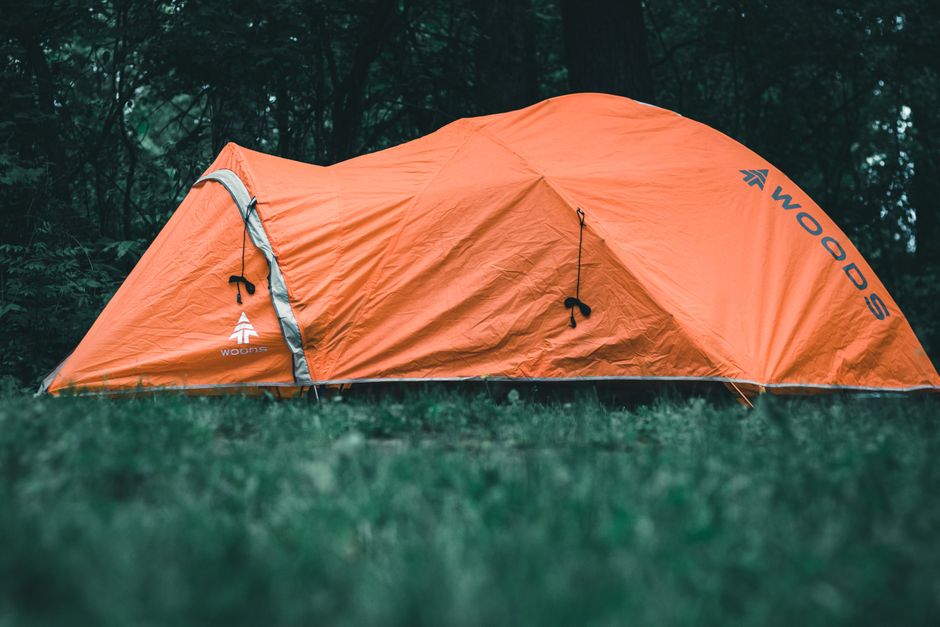
Shelter protects you from the elements and provides a place to rest. For a weekend trip, common options include tents, tarps, hammocks, and bivy sacks. Each has trade-offs in weight, comfort, and protection. A freestanding tent offers ease of setup and good weather resistance, while a tarp is lighter but requires more skill to pitch effectively.
When selecting a shelter, consider the expected weather, bug pressure, and campsite availability. A three-season tent is often sufficient for most weekend trips in the United States, but if you anticipate heavy rain or wind, a four-season tent may be more appropriate. Regardless of type, ensure your shelter has a rainfly, sealed seams, and adequate ventilation to reduce condensation.
Practice setting up your shelter at home before your trip. This helps you identify missing parts and become familiar with the process, which can be challenging in poor conditions. Also, check that your shelter has enough space for you and your gear, and that it can be pitched on different surfaces, such as rock or sand, using stakes or alternative anchor points.
Finally, consider the weight and packed size of your shelter. Ultralight options can reduce fatigue, but they may sacrifice durability. Finding a balance that suits your comfort level and budget is key. Remember that a good night’s sleep often depends on a secure and comfortable shelter, so choose wisely based on your specific needs.
Sleep System: Rest for Recovery
A sleep system typically consists of a sleeping bag or quilt, a sleeping pad, and sometimes a pillow. The combination should keep you warm and comfortable throughout the night, allowing you to recover for the next day’s activities. Temperature ratings are important: choose a bag or quilt rated for the lowest expected temperature, and consider adding a liner for extra warmth.
Sleeping pads serve two purposes: insulation from the ground and cushioning. Inflatable pads are compact and comfortable, while closed-cell foam pads are durable and punctureresistant. The R-value indicates a pad’s insulating ability; for three-season backpacking, an R-value of 2 to 4 is often adequate, but colder conditions may require a higher value.
Pillows are optional but can improve sleep quality. You can use a stuff sack filled with extra clothing as a makeshift pillow, or bring a lightweight inflatable pillow. Additionally, a sleeping bag liner can keep your bag clean and add warmth. Always store your sleeping bag uncompressed when not in use to preserve its loft.
Test your sleep system by camping in your backyard or a local park before your trip. This allows you to adjust layers and identify any discomfort. A good night’s sleep is essential for enjoyment and safety, so invest time in selecting and testing your sleep setup.
Cooking and Water: Fuel and Hydration
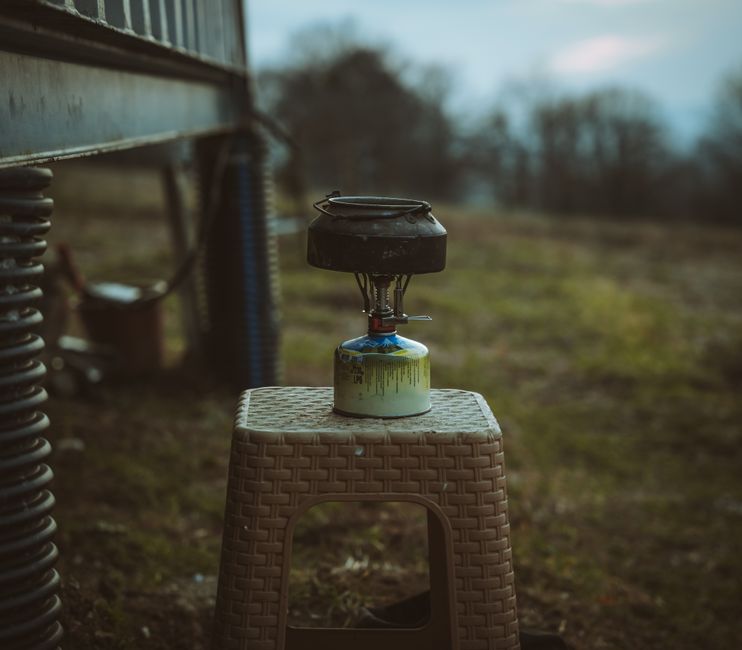
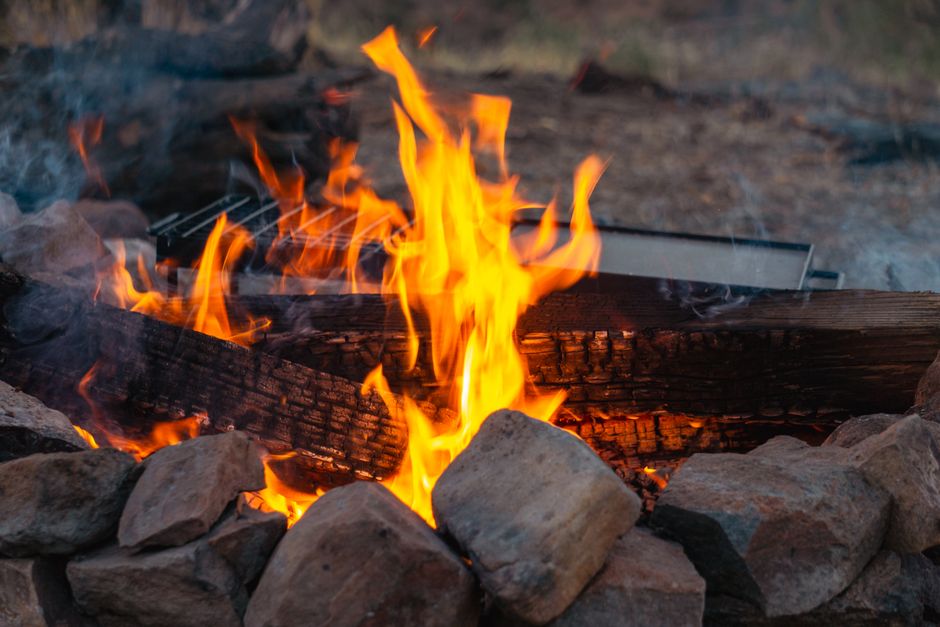
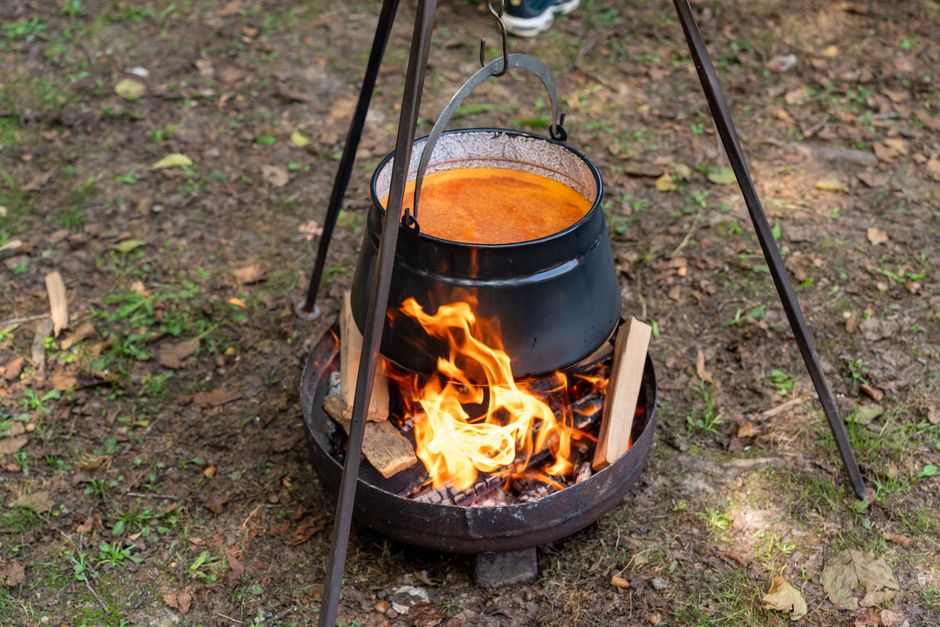
For a two-day trip, you’ll need a way to boil water and prepare meals. A lightweight stove, such as a canister stove or alcohol stove, is common. Canister stoves are easy to use and offer precise flame control, while alcohol stoves are lighter but slower and require a separate fuel container. Always check fire regulations in your area, as some places have restrictions.
Cookware should be minimal: a pot, a lid, and a spork or spoon are often sufficient. Consider a pot that doubles as a bowl or mug to save space. Fuel quantity depends on your meal plan; typically, one small canister lasts a weekend for one person. As a backup, bring a few fire starters or a lighter.
Water treatment is critical. Options include filters, chemical tablets, and UV purifiers. Filters are popular for their effectiveness and speed, but they can clog and require maintenance. Chemical treatments are lightweight but take time to work. Always carry enough water capacity, such as bottles or a reservoir, and treat water from natural sources before drinking.
Plan your meals to minimize cooking time and fuel use. Dehydrated meals are convenient, but you can also bring quick-cooking items like couscous or instant rice. Remember to pack out all trash, including food wrappers, to leave no trace. Proper hydration and nutrition contribute to a safe and enjoyable trip, so test your stove and water treatment before you go.
Navigation and Safety: Finding Your Way
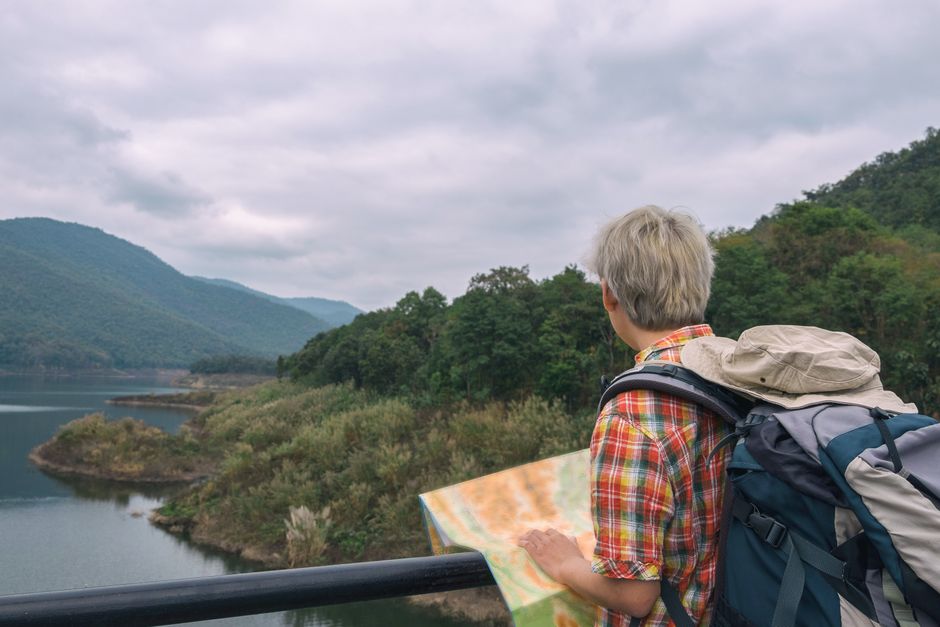
Navigation tools are essential for staying on route and avoiding hazards. While smartphone apps can be useful, they rely on battery power and signal, so always carry a physical map and compass as a backup. Know how to read topographic maps and use a compass to take bearings. A GPS device can complement these tools but should not be your only method.
Before your trip, study your route and identify landmarks, water sources, and potential campsites. Check the weather forecast and be prepared to alter plans if conditions change. Tell someone your itinerary and expected return time. A personal locator beacon or satellite messenger can provide emergency communication in areas without cell coverage.
Other safety items include a first aid kit, a headlamp with spare batteries, and a repair kit for your gear. A multi-tool or repair tape can fix unexpected damage. Also, carry a whistle and a small mirror for signaling. These items are lightweight and can be invaluable in an emergency.
Finally, consider taking a navigation course or practicing your skills in a familiar area. Confidence in your navigation abilities reduces stress and enhances your overall experience. Remember that even well-prepared hikers can encounter challenges, so having multiple navigation methods increases your resilience.
Clothing and Accessories: Layering for Comfort
Clothing should be chosen based on the principle of layering: a base layer to wick moisture, an insulating mid-layer, and a waterproof outer layer. Avoid cotton, which dries slowly and loses insulation when wet. Synthetic or wool fabrics are better choices. Adjust your layers as you hike to avoid overheating and chilling.
Footwear is critical: choose well-fitting hiking boots or shoes that provide support and traction. Break them in before your trip to prevent blisters. Bring spare socks and consider liner socks to reduce friction. Also, pack a hat, gloves, and a warm layer for camp, as temperatures can drop at night.
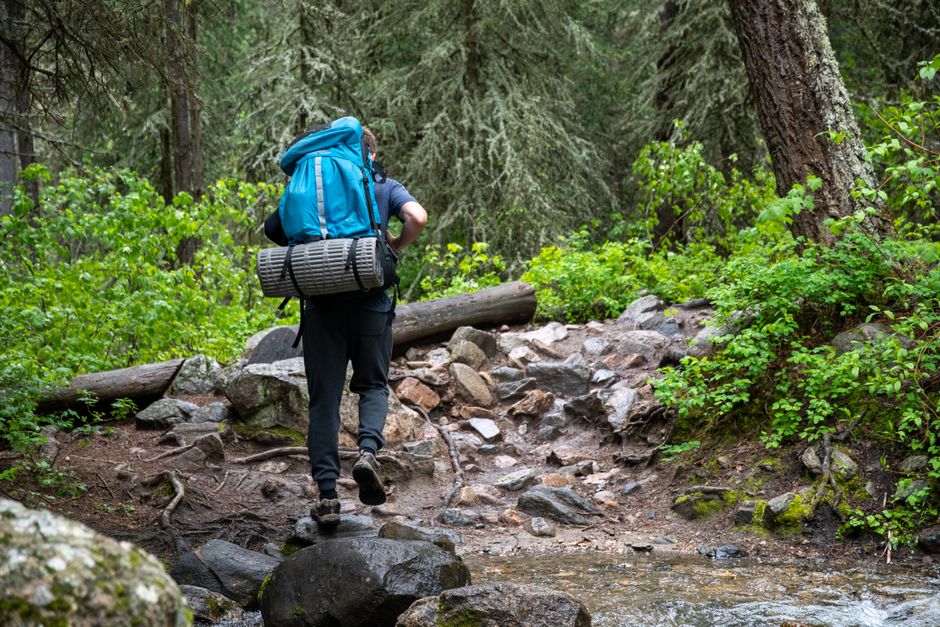
Accessories include a backpack that fits your torso, with a capacity of 40 to 60 liters for a weekend trip. Use a rain cover or line your pack with a trash bag to keep contents dry. Trekking poles can improve stability and reduce knee strain, especially on steep terrain. A small towel and toiletries are also useful.
Finally, organize your gear using stuff sacks or compression bags to maximize space and protect items. Keep frequently used items, like snacks and maps, accessible. A well-organized pack makes your trip more efficient and enjoyable. Test your clothing system on shorter hikes to ensure comfort and functionality.