How to Choose a Tent for Rainy Weather
When planning a camping trip in regions where prolonged rainfall is common, selecting a tent that manages moisture effectively becomes a central consideration. A tent’s ability to keep occupants dry depends on multiple design elements working together, including fabric waterproof ratings, seam construction, and ventilation systems. Understanding how these factors interact can help campers make informed decisions based on expected weather conditions and duration of exposure.
This article outlines key technical specifications and structural features relevant to rainy weather performance. It examines how waterproof ratings are measured, why seam sealing matters, and how ventilation influences condensation management. The goal is to provide a framework for evaluating tents without asserting guaranteed outcomes, as actual performance depends on setup, maintenance, and specific environmental factors.
By focusing on transparent criteria and process-oriented explanations, this guide supports campers in assessing their own needs. It does not recommend specific products or brands, but rather describes general principles that apply across various tent types and manufacturers, including those offered by Timberline Basecamp and other suppliers.
Understanding Waterproof Ratings and Fabric Performance
Waterproof ratings, often expressed in millimeters (mm) or in pounds per square inch (PSI), indicate the pressure at which water begins to penetrate a fabric. A higher rating suggests greater resistance to water under laboratory conditions. For example, a rating of 1,500 mm may be suitable for light rain, while ratings above 3,000 mm are often considered for sustained downpours. These numbers are derived from standardized tests that measure hydrostatic head, but they do not account for real-world variables such as wind-driven rain or fabric aging.
Fabrics used in tent construction typically feature coatings or laminates such as polyurethane or silicone. These treatments enhance water resistance but can degrade over time due to UV exposure, abrasion, or improper storage. Additionally, the denier (a measure of fiber thickness) and thread count influence durability and weight, with higher denier fabrics generally offering more robustness at the cost of increased weight. Campers should consider the trade-offs between packability and long-term water resistance based on their specific itinerary.
It is important to note that a high waterproof rating alone does not guarantee a dry interior. Other factors, such as seam integrity and ventilation, play equally critical roles. Therefore, evaluating a tent’s overall design—not just its fabric rating—is essential when anticipating prolonged rainfall. Manufacturers like Timberline Basecamp often provide detailed specifications that can aid in comparative assessments.
The Role of Seam Sealing in Moisture Management
Seams are among the most vulnerable points in a tent’s waterproof system because stitching creates tiny holes that can allow water to seep through. Seam sealing addresses this by applying a waterproof tape or liquid sealant along the interior or exterior of the seams. Factory-sealed seams are typically more reliable than aftermarket treatments, as they are applied under controlled conditions. However, even factory-sealed tents may require reapplication over time, especially after heavy use.
There are two primary methods of seam sealing: taped seams and sealed seams. Taped seams involve heat-activated tape that bonds to the fabric, creating a durable barrier. Sealed seams use a liquid sealant that penetrates the stitching, which can be effective but may need periodic maintenance. The choice between these methods can affect weight, cost, and longevity. Campers should inspect seams regularly and follow manufacturer guidelines for re-sealing, as neglect can lead to leaks even in tents with high waterproof ratings.
In prolonged rainfall, water can pool along seams and create sustained pressure. A well-sealed tent minimizes this risk, but it is not a standalone solution. Proper pitch tension and site selection also influence how water interacts with seams. For instance, pitching on a slight incline or using a footprint can reduce water accumulation around the base. These practices, combined with quality seam sealing, contribute to a drier interior environment.
Ventilation and Condensation Control
Ventilation is often overlooked when selecting a tent for rainy weather, yet it is crucial for managing internal moisture. Condensation occurs when warm, humid air inside the tent meets cooler surfaces, such as the rainfly or walls. Without adequate airflow, this moisture can accumulate and drip onto occupants or gear, creating a damp environment even if no external water enters. Therefore, tents designed for wet climates typically incorporate features like mesh panels, roof vents, and adjustable openings.
Effective ventilation systems balance the need to keep rain out with the need to let humid air escape. High and low vents create a chimney effect, where cooler air enters from lower openings and pushes warmer, moist air out through upper vents. Some tents use dual-layer construction, with a solid inner tent and a separate rainfly that can be adjusted for airflow. Others integrate mesh walls that allow vapor to pass through while repelling liquid water. The key is to maintain a continuous exchange of air without compromising rain protection.
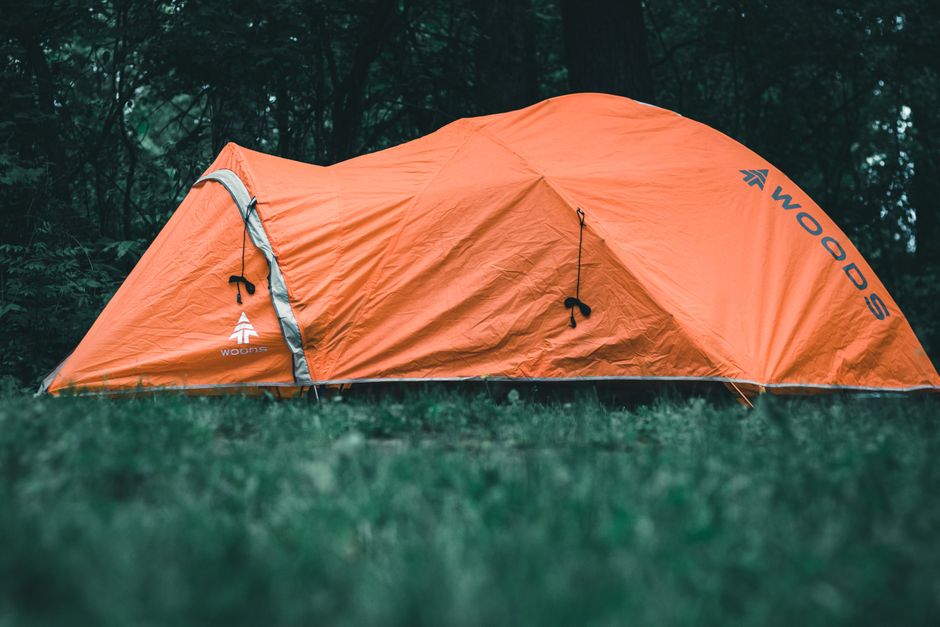
Campers should also consider the tent’s shape and pitch. Dome and tunnel tents often provide better airflow than single-wall designs, as they create a larger interior volume and more strategic vent placement. Additionally, leaving a small gap between the rainfly and the ground can enhance cross-ventilation, though this must be balanced against splash-back from heavy rain. Testing ventilation configurations in controlled conditions before a trip can help users understand how a tent performs under various humidity levels.
Evaluating Design Features for Prolonged Rainfall
Beyond fabric, seams, and ventilation, several design features influence a tent’s performance in extended rain. These include the bathtub floor, which is a seamless, raised floor that prevents water from seeping in at the base; the rainfly, which should extend low enough to cover seams and provide an overhang; and the pole structure, which affects stability in wind-driven rain. A sturdy frame with guy-out points allows for taut pitching, reducing fabric sag that can create water pockets.
Other considerations include the tent’s capacity and internal space. A larger tent may offer more room for gear but can be harder to keep warm and dry. Conversely, a smaller tent heats up faster but may suffer from higher condensation if ventilation is limited. The number of doors and vestibules also matters, as they provide protected entry and storage areas, reducing the amount of water brought inside. When evaluating options, campers should prioritize features that align with their specific camping style and expected weather duration.
It is also prudent to review the manufacturer’s specifications and user feedback regarding real-world performance. While no tent can guarantee complete dryness in all conditions, understanding how design elements work together can help campers set realistic expectations and make informed choices. Timberline Basecamp, for example, provides detailed product information that can assist in this evaluation process.
Maintenance and Preparation for Rainy Conditions
Even the most well-designed tent requires proper maintenance to sustain its water-repellent properties. After each trip, tents should be cleaned with mild soap and water, then thoroughly dried before storage to prevent mildew and coating degradation. UV exposure can weaken fabrics, so storing tents in a cool, dry place away from direct sunlight is advisable. Periodically, a water-repellent treatment can be reapplied to the rainfly and floor to restore performance.
Before a trip, campers should practice pitching the tent to ensure all components are present and functional. Setting up in a location with good drainage and avoiding low-lying areas can minimize water accumulation. Using a footprint or groundsheet protects the floor from abrasion and adds an extra layer of water resistance. Additionally, packing a repair kit with seam sealant and patch material allows for quick fixes if leaks develop.
Finally, it is important to recognize that no tent is entirely impervious to prolonged, heavy rainfall. Factors such as wind direction, humidity, and site conditions can influence performance. By combining a well-constructed tent with proper site selection and maintenance, campers can improve their chances of staying dry, but outcomes remain dependent on a range of external variables. This approach emphasizes preparation and adaptability over guarantees.