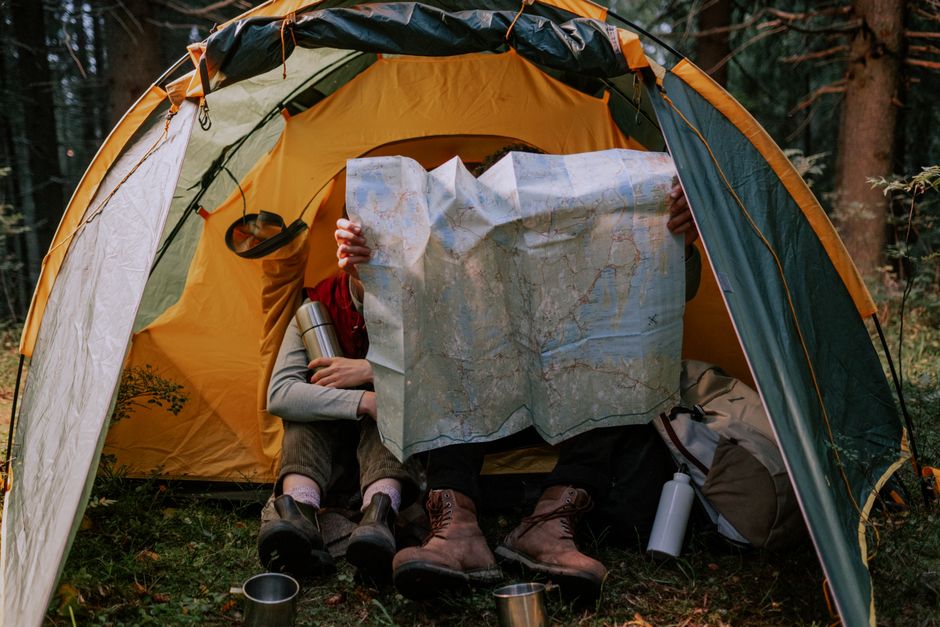
Two people enjoy a camping trip, examining a map inside a tent surrounded by nature.

Method

Explains the step-by-step process for planning camps, from choosing a site to packing and setting up camp.

Evaluating Campsite Suitability

Within the camping planning process, selecting a campsite is a foundational step that connects logistics with the natural environment. The evaluation generally considers multiple factors: terrain characteristics such as slope, drainage, and surface stability; access routes and distance from parking or trailheads; and local regulations, including land use designations, seasonal restrictions, and permitting requirements. Additionally, proximity to water sources, prevailing weather patterns, and potential hazards are often reviewed. Because conditions change and site suitability depends on numerous external variables, a framework for assessment can help organize information rather than assuming a specific location will be suitable.
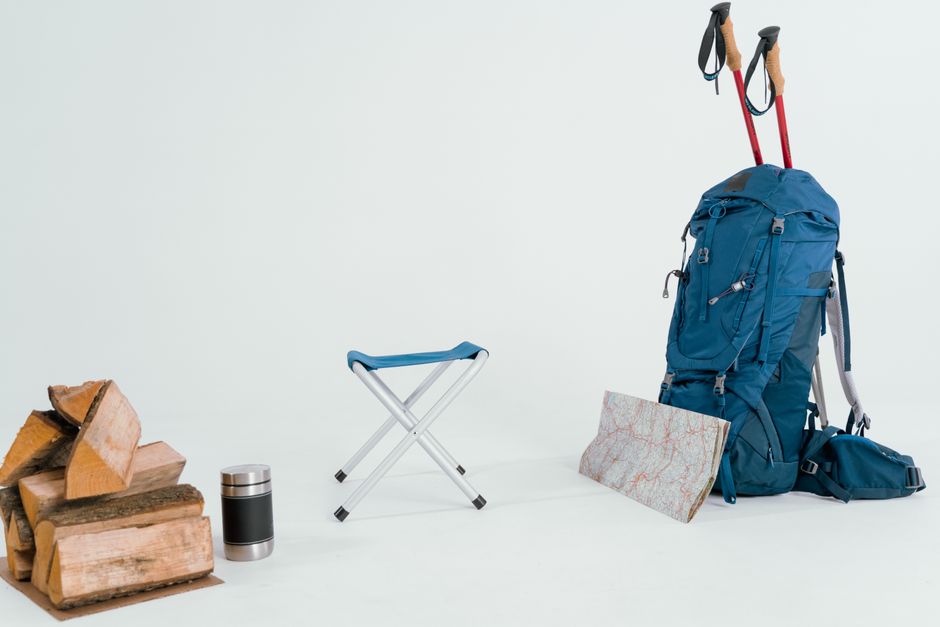
A collection of hiking gear including a backpack, map, and chair for winter expeditions.

In the Field: What Comes Before Arrival

  • 01

    Location Research and Selection

    Gather information on terrain, regulations, facilities, and access before deciding on a destination.

  • 02

    Trip Parameters and Timeline Planning

    Define duration, group size, and seasonal conditions to build a practical itinerary.

  • 03

    Equipment and Supply Assembly

    Review and organize shelter, sleep systems, food, and safety items per environment and weather.

  • 04

    Final Preparations and Setup Approach

    Plan arrival time, campsite layout, and shelter orientation as a flexible, conditions-based guide.

How Camp Planning Comes Together

Planning a camp involves a sequence of coordinated decisions, from selecting a site and organizing supplies to packing and setting up. Each stage connects to the next, and the overall process is not fixed. External factors like weather shifts, terrain conditions, and individual preparation can influence how plans unfold, while the order of steps may vary depending on the specific trip.

The Role of Packing and Camp Setup in Planning

Within the step-by-step camping planning process, packing and camp setup represent two decisive procedural stages. Packing involves choosing and organizing equipment based on the activities you intend to pursue and the expected site conditions. Camp setup then focuses on arranging that gear to establish a functional and orderly campsite. Neither step is an isolated task; each draws on earlier decisions about location and itinerary. Timberline Basecamp treats these stages as planning methods rather than strict formulas, since their suitability varies with weather, group size, and terrain. This approach aims to offer a flexible framework, with effectiveness always shaped by situational factors.

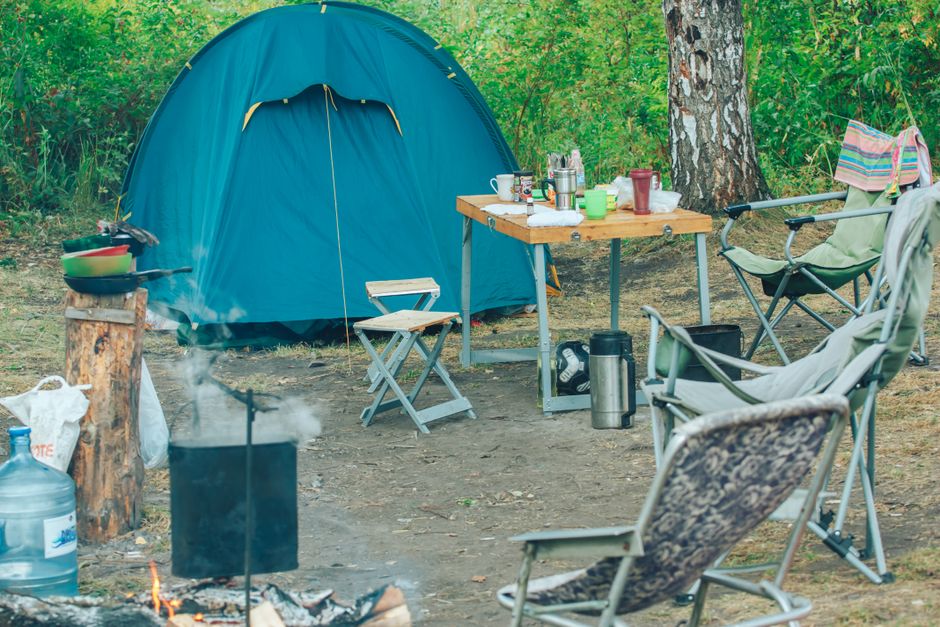
Serene campsite featuring a tent, chairs, and campfire amidst lush greenery for a perfect outdoor adventure.

Frequently Asked Questions

  • 1What should I consider when choosing a campsite?
    Key factors include terrain, water access, local regulations, and weather patterns. Individual circumstances and seasonal changes can influence the suitability of any site.
  • 2How is a camping trip itinerary typically structured?
    A common approach involves defining dates, travel routes, meals, and backup plans. Actual outcomes depend on group size, experience, and unforeseen conditions.
  • 3What is the role of a gear checklist in camp planning?
    A checklist helps organize essential items and avoid omissions, though gear needs vary based on trip length, environment, and personal preferences. Its effectiveness depends on consistent use.
  • 4How can I identify potential hazards during camp setup?
    Common considerations include dead trees, uneven ground, and water levels. Awareness and local advice can help, but risks remain context-dependent and cannot be fully eliminated.
  • 5What factors affect packing and camp breakdown at the end of a trip?
    Weather, site conditions, and group coordination all play a role. Allowing extra time supports an orderly process, though individual experiences may differ.