Campfire cooking often involves a balance between simplicity and satisfying meals. One-pot cooking methods address this balance by consolidating ingredients and equipment into a single vessel, which can reduce the complexity of meal preparation in outdoor settings. This approach is particularly relevant for campers who prefer to minimize the number of items they carry and the time spent on cleanup after eating.
The concept of one-pot meals revolves around using a single pot or skillet to cook all components of a dish, from proteins and vegetables to grains or starches. This method is adaptable to various camping styles and can accommodate different dietary preferences. By focusing on a limited set of ingredients and tools, campers can streamline their cooking process and allocate more time to other activities.
In the United States, camping culture often emphasizes self-sufficiency and resourcefulness. One-pot meals align with these values by promoting efficient use of resources and reducing waste. This article explores the principles and practical considerations of one-pot campfire cooking, offering a framework that can be customized based on individual preferences and circumstances.
Fundamentals of One-Pot Campfire Cooking
At its core, one-pot cooking involves selecting a durable pot or skillet that can withstand direct heat from a campfire or portable stove. Cast iron, stainless steel, and aluminum are common materials, each with distinct heat distribution properties. The choice of vessel can influence cooking times and outcomes, so it is important to consider the types of meals planned and the heat source available.
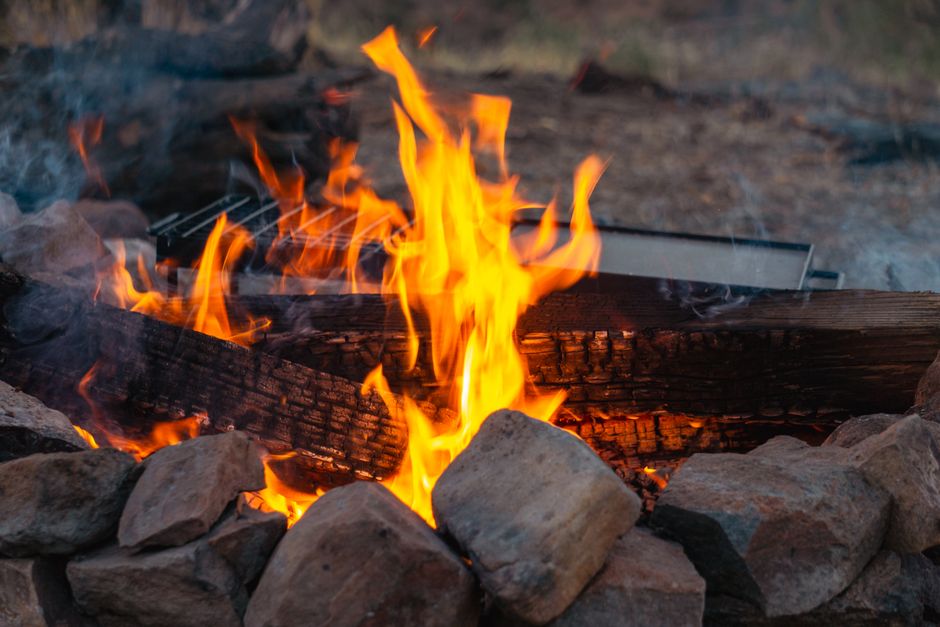
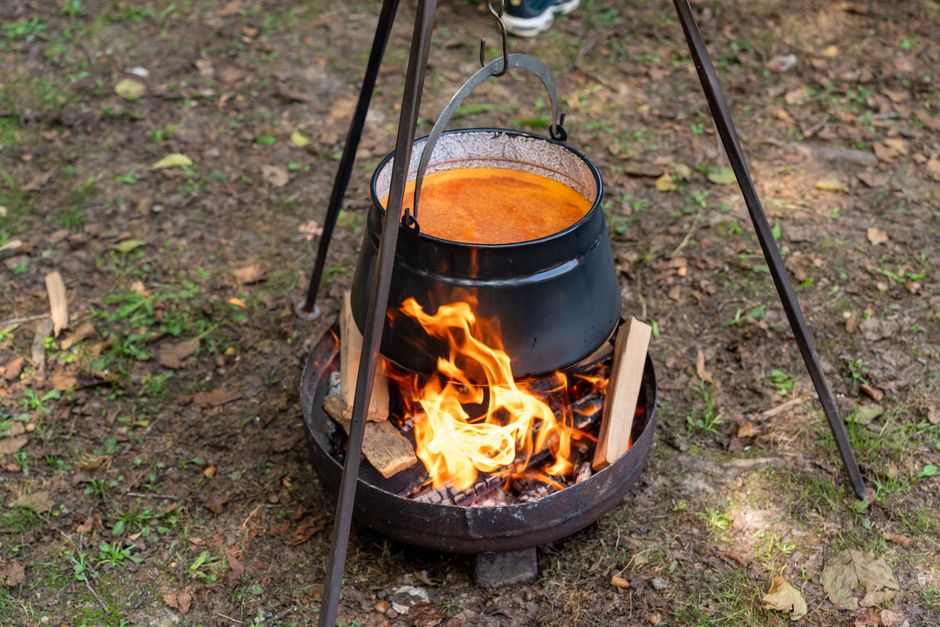
Fire management is another fundamental aspect. Campfires provide variable heat, which requires attention to positioning the pot at the right distance from the flames or coals. Using a grate or tripod can help regulate heat, while adjusting the fire’s intensity through fuel selection or airflow can provide further control. These variables mean that cooking times may vary, and flexibility is often necessary.
Ingredient selection also plays a significant role. Ingredients that cook at similar rates or can be added in stages work well in one-pot meals. For example, hardy vegetables like carrots and potatoes can be started first, while quicker-cooking items like beans or leafy greens are added later. This layered approach helps ensure that all components reach a desirable texture without overcooking.
Cleanup considerations are integral to the one-pot method. Using a single pot reduces the number of items to wash, and techniques such as lining the pot with parchment paper or using minimal oil can simplify the process. However, it is important to note that cleanup ease depends on factors like available water and the specific ingredients used.
Equipment and Setup for Minimal Cleanup
Choosing the right equipment can significantly affect the one-pot cooking experience. A pot with a tight-fitting lid can help retain heat and moisture, reducing the need for constant stirring and allowing for more even cooking. Additionally, a pot with a handle that is safe to grip with a heat-resistant glove is essential for safe handling over a fire.
Utensils should be selected for durability and versatility. A sturdy spoon or spatula made of wood or heat-resistant silicone can be used for stirring and serving, eliminating the need for multiple tools. A sharp knife and a small cutting board are often sufficient for preparation, though some campers may prefer to pre-chop ingredients at home to further minimize on-site tasks.
Organization is key to a smooth cooking process. Keeping ingredients and tools within reach can reduce movement around the fire and minimize the risk of accidents. A small bag or container for trash and a dedicated spot for dirty utensils can help maintain a tidy campsite. These practices contribute to a more enjoyable cooking experience and can make cleanup more efficient.
When using a campfire, it is important to follow local regulations and fire safety guidelines. This includes checking for burn bans, using established fire rings, and ensuring that the fire is completely extinguished before leaving the site. These practices help protect natural resources and ensure the safety of all campers.
Basic One-Pot Recipes and Variations
One-pot meals can be as simple or as elaborate as desired. A foundational recipe might involve browning a protein, such as ground beef or tofu, then adding vegetables and a liquid like broth or tomato sauce. Once the mixture simmers, grains like rice or pasta can be added, and the pot is covered until the grains are tender. This method yields a hearty dish that can be seasoned to taste.
Another approach is a campfire stew, which typically combines meat, root vegetables, and a liquid base. The ingredients are added to the pot in stages, with longer-cooking items going in first. The stew can simmer over low heat for an extended period, allowing flavors to meld. This type of meal is forgiving and can be adapted based on available ingredients.
For a vegetarian option, a one-pot chili can be prepared using beans, tomatoes, and spices. The ingredients are combined in the pot and simmered until heated through. This dish can be served on its own or with bread or tortillas. Variations might include adding corn, zucchini, or other vegetables to increase variety.
Breakfast can also be cooked in one pot. A simple hash of potatoes, onions, and bell peppers can be sautéed, then eggs can be cracked on top and cooked until set. This meal provides a substantial start to the day and requires only one pot and a spatula.
It is important to note that cooking times and outcomes may vary based on factors such as altitude, weather, and the specific heat source. Therefore, flexibility and attention to the cooking process are essential. Campers should be prepared to adjust seasonings, liquid levels, and cooking durations as needed.
Safety and Environmental Considerations
Safety is paramount when cooking over a campfire. Keeping a safe distance from the flames, using heat-resistant gloves, and having a fire extinguisher or water source nearby are basic precautions. Additionally, never leave a fire unattended and ensure that all embers are cool before disposing of ashes.
Environmental responsibility involves minimizing impact on the natural surroundings. Using existing fire rings, avoiding the introduction of non-native species, and packing out all trash are standard practices. When washing dishes, it is preferable to use biodegradable soap and dispose of gray water properly, away from water sources.
Fuel choice can also affect environmental impact. Using local firewood or certified heat-treated wood can help prevent the spread of invasive pests. Alternatively, portable stoves can be used when fires are not permitted or when a lower-impact option is desired.
These considerations are part of a broader ethic of outdoor stewardship. By following Leave No Trace principles, campers can help preserve the places they visit for future generations.
Adapting One-Pot Meals to Different Camping Styles
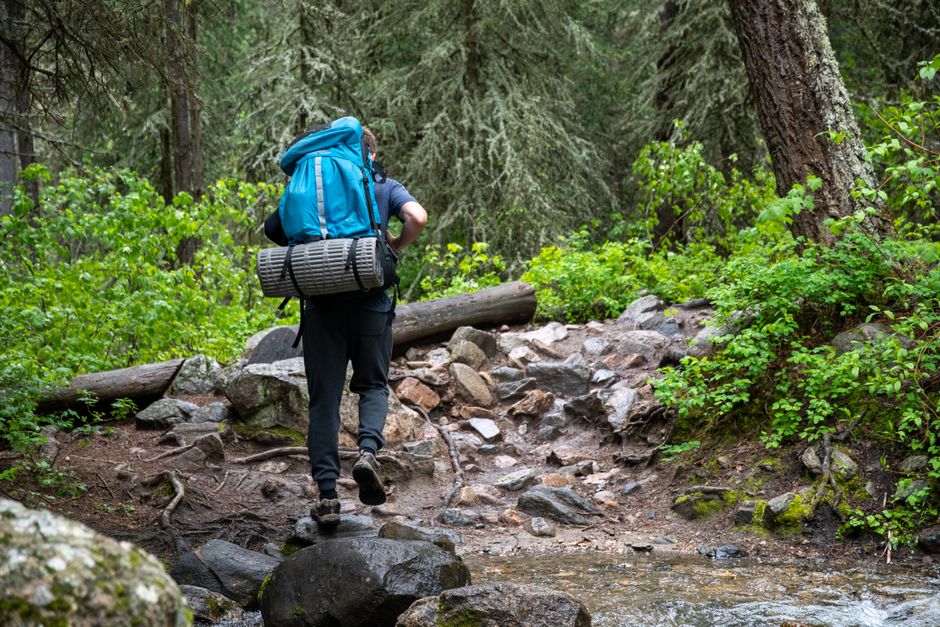
One-pot cooking can be adapted to various camping styles, from car camping to backpacking. For car camping, larger pots and more elaborate ingredients can be used, as weight and space are less of a concern. Backpackers, on the other hand, may opt for lightweight pots and dehydrated ingredients to minimize pack weight.
In group camping, one-pot meals can be scaled up to feed multiple people. This requires a larger pot and careful planning to ensure that all ingredients are proportional. Group cooking can also be a social activity, with participants taking turns stirring or adding ingredients.
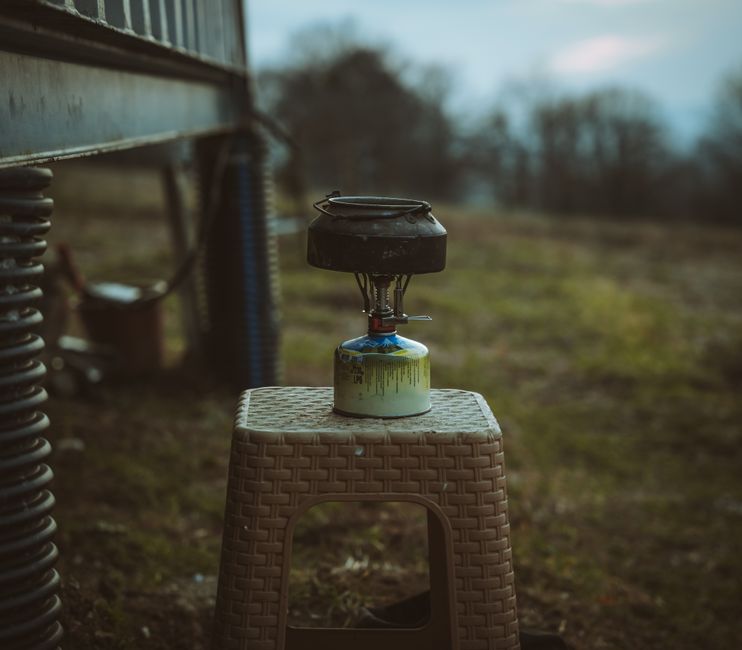
For those who prefer to cook over a stove rather than a fire, one-pot meals can be prepared on a portable camping stove. This method offers more consistent heat and may be preferable in areas where fires are prohibited or during fire bans.
Regardless of the style, the principles of one-pot cooking remain consistent: use a single vessel, plan ingredients thoughtfully, and adapt to the conditions at hand. This approach can make campfire cooking a manageable and enjoyable part of the outdoor experience.